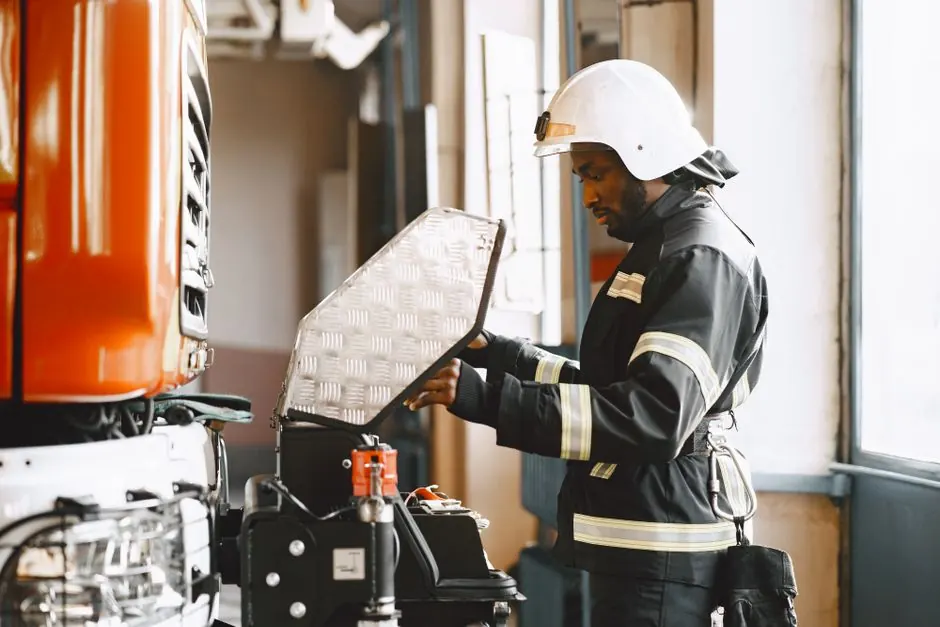
Heat exchanger examination
Sections examined for cracks, corrosion, and failure patterns, using visual and combustion clues.
The annual safety inspection includes visual examination of the heat exchanger and boiler sections, flue and venting analysis, gas train inspection, functional testing of all safety controls, combustion and CO testing with documented readings, and a graded written report. It does not include cleaning or tuning (covered by the tune-up), repairs (quoted separately), or cosmetic work.
Sections examined for cracks, corrosion, and failure patterns, using visual and combustion clues.
Flue condition, draft measurement, and blockage checks. Venting must prove safe, not just look intact.
Gas valves, regulators, and connections inspected for soundness and correct operation.
Relief valve, low-water cutoff, and limits operated under load and verified functional.
Immediate hazards, repair-soon items, and watch items - each with readings and timelines, in writing.
Annual Boiler Safety Inspection in Newark is the yearly professional examination that verifies a boiler can operate without endangering the household. Unlike a tune-up's performance focus, the inspection is safety-first: heat exchanger integrity, flue and venting condition, gas train soundness, safety control function under load, and carbon monoxide levels in the flue and living space. Each element is tested, measured, and documented - and anything immediately dangerous results in same-visit shutdown.
Newark homeowners need this service because boiler hazards are silent. A cracked heat exchanger shows no flame change a homeowner would notice. A partially blocked flue raises CO gradually. A failed low-water cutoff sits quietly until the one day it is needed. Annual inspection is the mechanism that catches these conditions while they are still findings on a report rather than emergencies. For boilers past 15 years, for homes with children or elderly residents, and for anyone who cannot remember the last inspection, scheduling one before heating season is the single most protective thing a homeowner can do.
Here is what happens during a boiler safety inspection visit.
Schedule
Call or book online — a real human picks up and confirms a 2-hour arrival window.
Diagnose
Licensed tech inspects on-site, then walks you through the cause and your options.
Fix
The job is completed to code and done right the first time — no shortcuts, no surprises.
Guarantee
Every job backed by a written workmanship warranty — and we stand behind it.
Combustion analyzer
Detects CO and combustion anomalies that reveal exchanger cracks and flue problems.
Digital manometer
Verifies draft and gas pressure within safe operating ranges.
CO detector (professional)
Maps carbon monoxide levels in living spaces around the boiler.
Inspection camera
Views heat exchanger sections and flue interiors not visible directly.
Combustion analysis
Flue gases are measured for CO, oxygen, and draft - the numbers that prove safe combustion or reveal hidden problems.
Functional safety testing
Each safety device is operated under real conditions and must perform to spec. No device passes on appearance alone.
Severity grading
Findings are classified as immediate hazard, repair soon, or monitor - with written timelines for each.
01
What we do: Full inspection: exchanger examination, flue analysis, gas train check, safety device testing. Written graded report delivered.
→ Clean report, verified zero CO, and a documented baseline for future years.
02
What we do: Inspection traced it to a partially blocked flue. Cleared, retested to zero CO, and the flue terminal secured against recurrence.
→ The hazard was eliminated the same visit, with documentation for the family's records.
03
What we do: Inspection found a developing exchanger crack invisible to the eye. Graded as replace-soon with a written timeline; monitored until replacement.
→ The crack was found before failure, the boiler shut down safely, and replacement happened on schedule.
Boiler safety inspections in Newark carry extra weight because of the city's housing. Pre-1960 boilers are everywhere - in the Ironbound's rowhouses, Vailsburg's capes, Weequahic's Tudors - and 30-year-old heat exchangers crack without warning signs a homeowner would notice. Dense construction means a carbon monoxide problem in one unit can affect neighbors, raising the stakes of every inspection. Technicians here know what 40 years of operation does to a cast-iron section and where to look. Inspections peak in September and October across Essex County, including ZIP codes 07103, 07102, 07104, and 07105, as homeowners prepare for winter with documentation in hand.
Ironbound
Dense rowhouses where CO safety affects neighbors; flue and venting checks are critical.
Vailsburg
Many 25+ year old boilers where heat exchanger examination is the key inspection element.
Weequahic
Mixed-age housing stock; inspections grade each system's condition for replacement planning.
Aging boiler stock with 20-40 year old units common
Older boilers develop heat exchanger cracks and control failures invisible without inspection. Annual examination is non-negotiable past 15 years.
Dense housing where CO incidents affect neighbors
In rowhouses and multi-family buildings, one boiler's CO problem threatens adjacent units. Inspections protect more than the homeowner.
Safety inspections exist for the failures you cannot see coming. Here is what they catch.
Problem
CO is odorless and invisible. A cracked exchanger can poison a household without any warning symptom.
Our Fix
The exchanger is examined visually and through combustion clues - flame pattern changes, CO spikes. Cracks mean immediate shutdown and replacement planning, documented in writing.
Problem
Blocked flues spill combustion gases - including carbon monoxide - into the home instead of venting them outside.
Our Fix
Flue condition, draft, and CO readings are checked. Blockages are cleared, deteriorated sections flagged for repair, and venting verified before the system is cleared.
Problem
A relief valve that will not open or a cutoff that will not trip turns a routine fault into a dangerous overpressure or dry-fire event.
Our Fix
Each safety device is tested under operating conditions. Failed controls are replaced and retested - safeties are never left as found-defective.
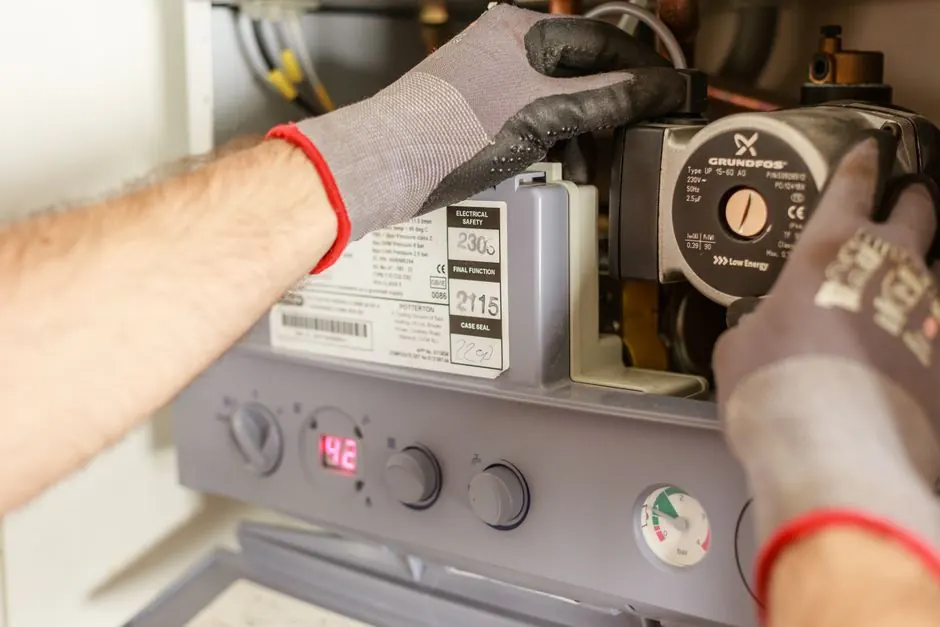
A boiler safety inspection is the one service visit focused entirely on preventing dangerous failures. It is systematic, documented, and designed to find what daily operation hides.
Find hidden dangers
Cracked heat exchangers, blocked flues, and failed safety controls are invisible during normal operation. Annual boiler safety inspection in Newark finds them with testing - before they become emergencies.
Verify CO safety
Carbon monoxide testing at the flue and in living spaces is part of every inspection. For households with children or elderly residents, that verified zero reading matters.
Test every safety device
Relief valves, low-water cutoffs, and limit controls only work if tested. The inspection cycles each one and documents the result - the difference between assuming safety and proving it.
Documented history
The written inspection report documents system condition year over year. That record supports insurance requirements, informs replacement timing, and helps at resale.
Safety inspection is a discipline of its own: systematic, skeptical, and documented. Brick City Boiler technicians work through a safety-specific checklist distinct from maintenance - heat exchanger examination, flue and venting analysis, gas train inspection, safety control testing under load, and carbon monoxide mapping of the living space. Findings are graded by severity: immediate hazards shut the system down on the spot, developing issues get written timelines, and sound systems get a clean report. No inspection ends with vague reassurance; every one ends with documented readings.
Real answers to the questions we hear most often from local homeowners and property managers.
When inspection finds an immediate hazard like a cracked exchanger, emergency response handles the shutdown and next steps safely.
View Emergency Boiler RepairA failed inspection on an aging boiler often leads here: a modern, safe replacement sized to the home.
View Boiler InstallationInspection findings grade the replace-vs-repair decision with evidence instead of guesswork.
View Boiler ReplacementThe tune-up is the performance companion to the inspection's safety focus. Together they are the complete yearly service.
View Boiler Maintenance & Tune-UpsRadiator valves and vents get checked during inspections as part of whole-system safety review.
View Radiator Repair & InstallationControl faults found during inspection - failed relays, stuck valves - get dedicated control service.
View Thermostat & Heating ControlsThe fastest way to reach Brick City Boiler is a quick call. Tell us what your boiler is doing — no heat, noise, leaks, or just due for a tune-up — and where in Newark or Essex County you are, and we will take it from there.
You call
Tell us what the boiler is doing and where you are. We will ask a few quick questions.
We diagnose
A technician finds the real problem — tested, not guessed.
You get it in writing
Clear written quote before any work starts. No surprises, ever.
Phone
(973) 275-8278Address
Newark, New Jersey
Visit Us
53 Irvine Turner Blvd, Newark, NJ 07103, USA
(973) 275-8278