Newark Penn Station
The station sits at the Ironbound's western edge and is our main orientation point. Streets radiate from it, and knowing whether a job is rail-side or river-side of Penn Station tells us which approach avoids the worst traffic.
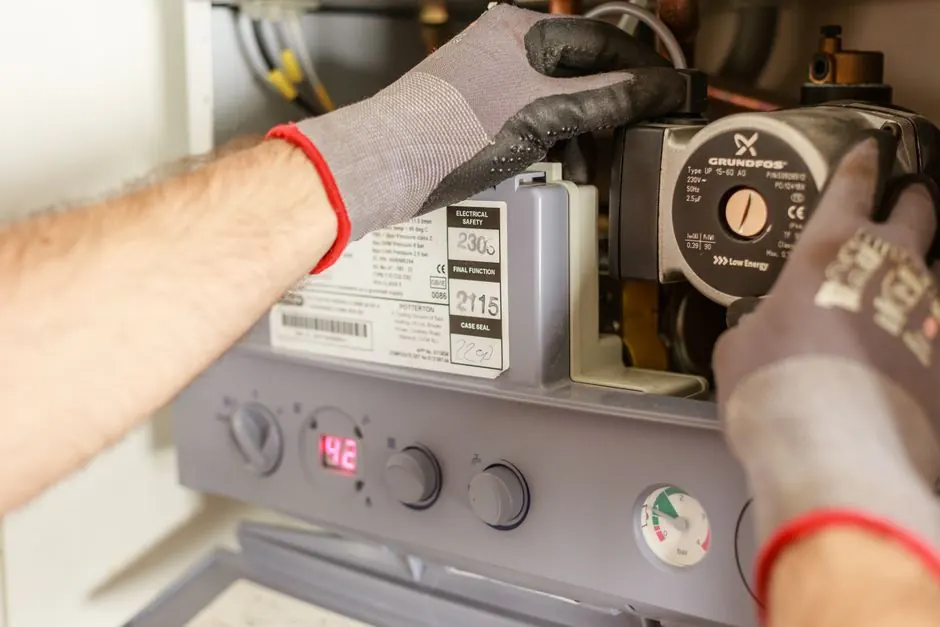
The Ironbound runs on boilers. Walk Ferry Street on a January evening and half the heat keeping those restaurants, bakeries, and rowhouses warm comes from aging steam and hot-water systems — many of them decades old. Brick City Boiler focuses on boiler repair in Ironbound because this neighborhood's heating stock demands specialists, not generalists. Pre-war brick rowhouses hide original cast-iron boilers in tight basements. Converted tenements mix old steam piping with newer controls. Small commercial kitchens need both space heat and steady hot water. We size our vans, our parts inventory, and our scheduling around how the Ironbound actually lives and works, so a no-heat call here gets the same urgency we'd give our own street.
Demand for boiler repair in Ironbound peaks hard every winter, and the calls follow a pattern: aging steam boilers in rowhouses, radiator complaints in converted tenements, and commercial kitchens needing heat and hot water at once. If your Ironbound boiler is making new noises, losing pressure, or leaving rooms cold, here's exactly what we handle across the neighborhood.
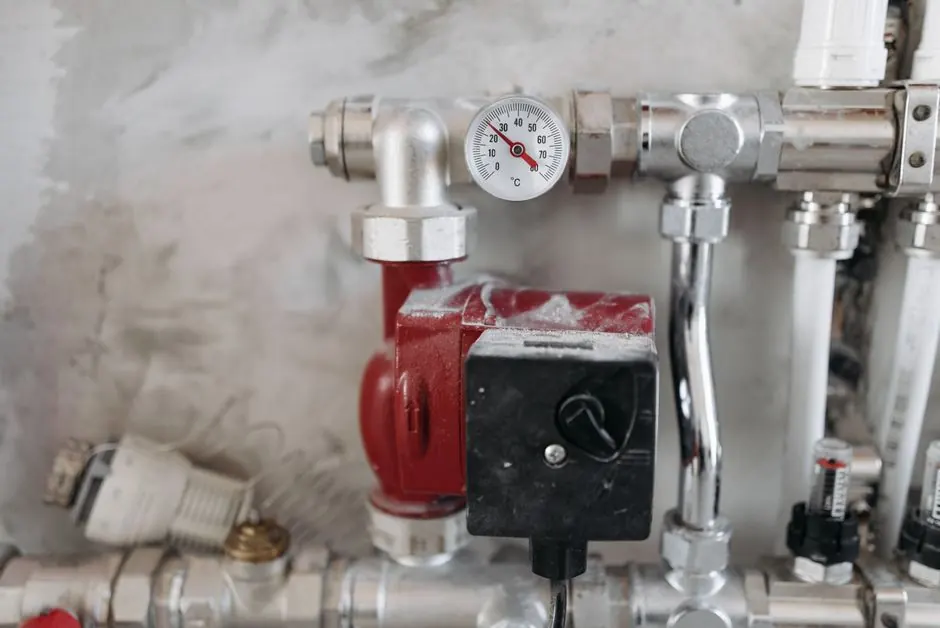
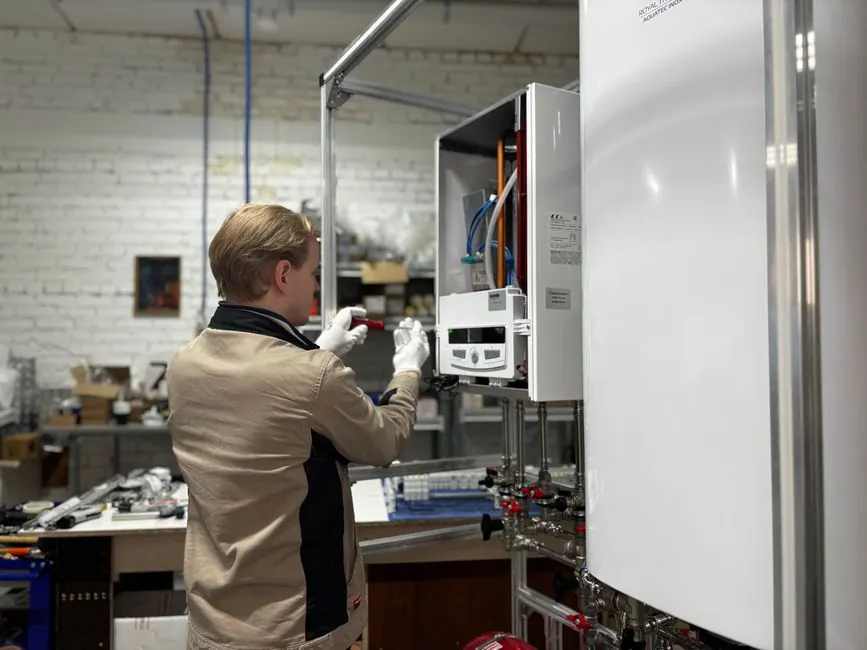
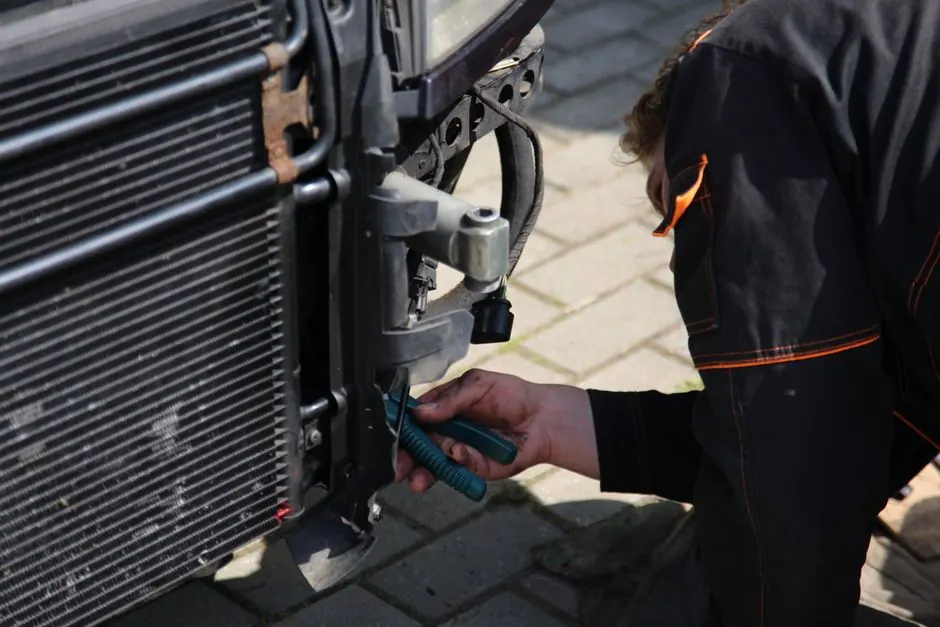
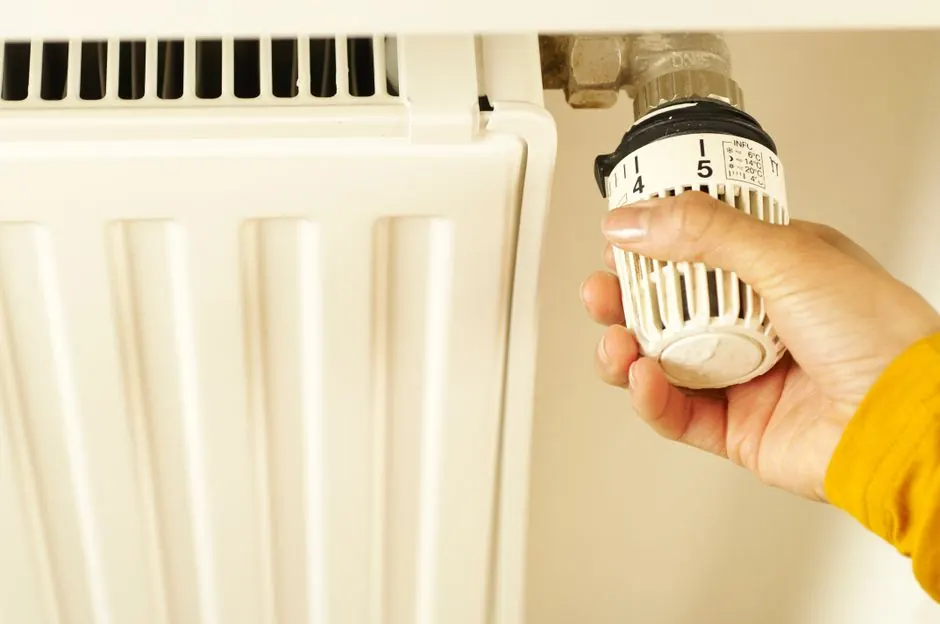
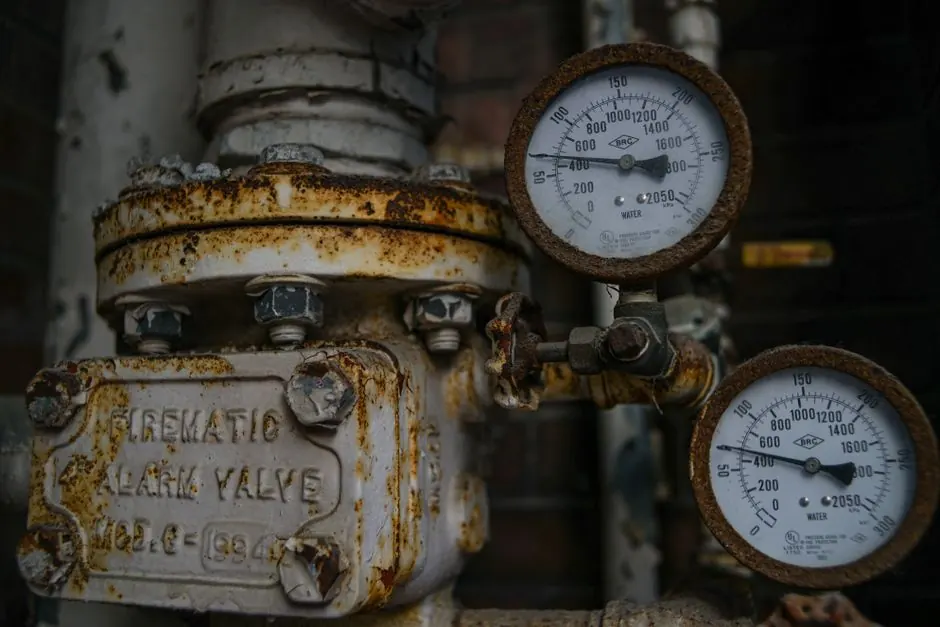
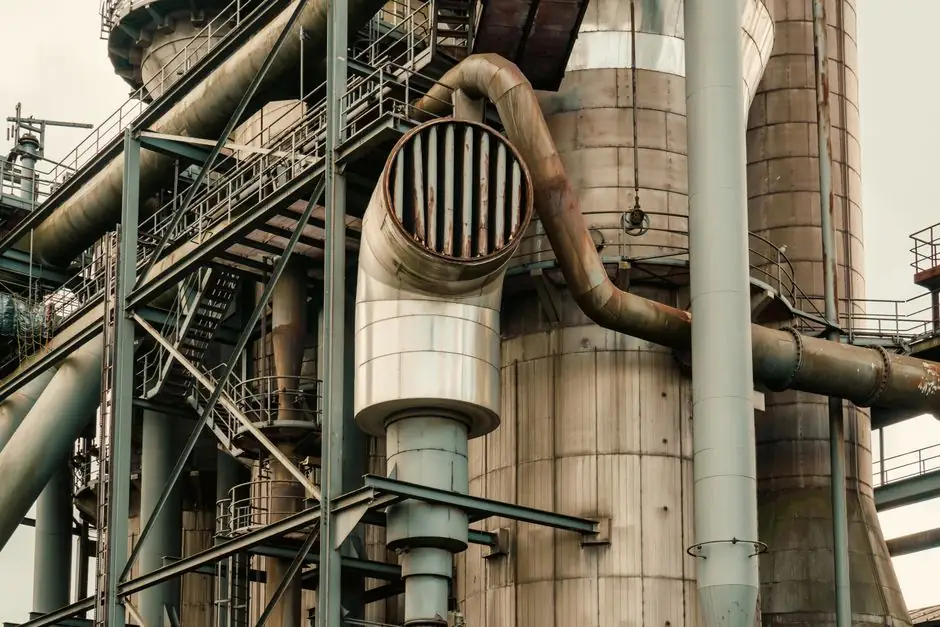
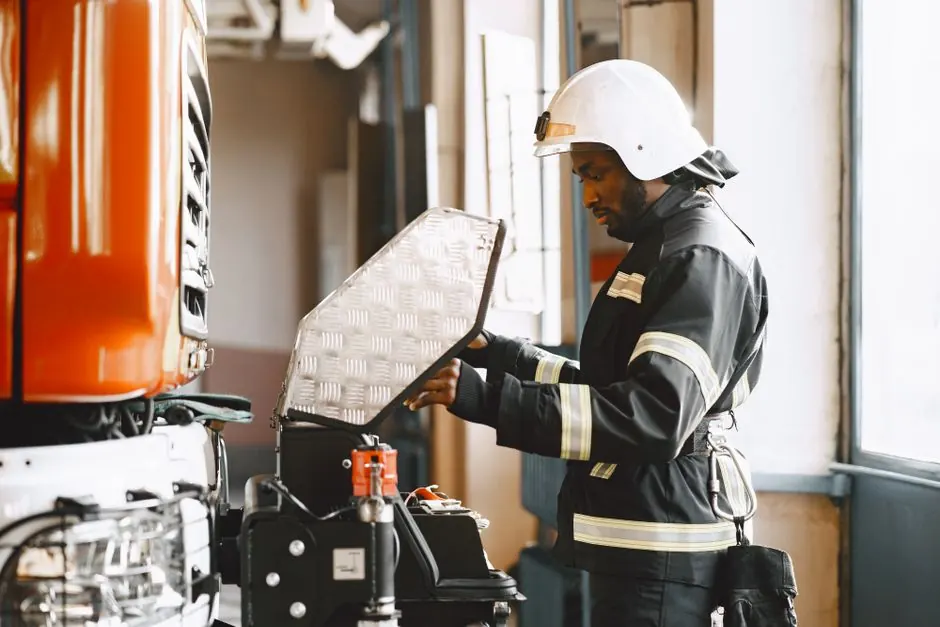
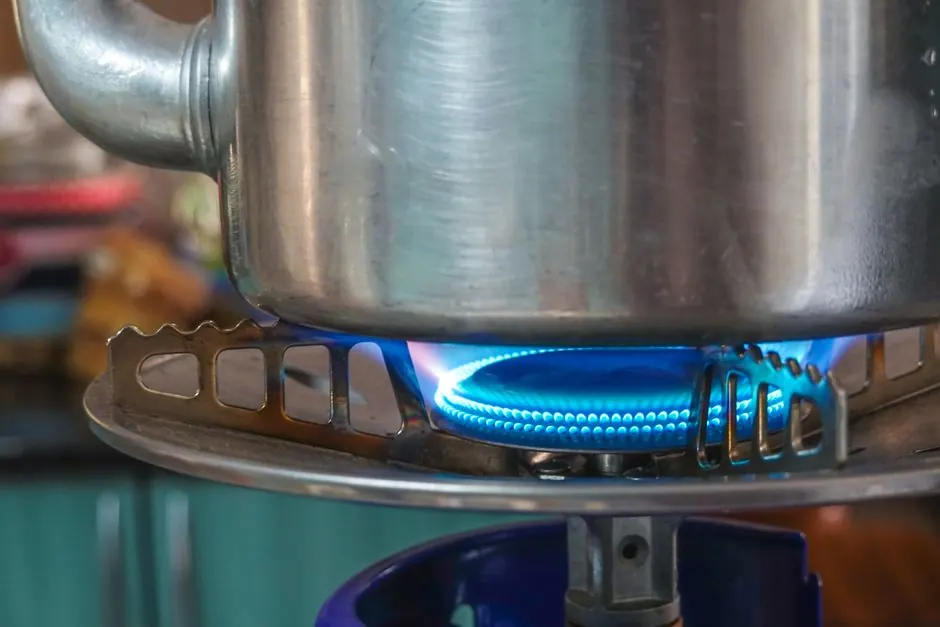
The Ironbound's older steam-heavy housing stock produces a predictable set of boiler problems. Here's what we diagnose most often, why it happens here, and how boiler repair in Ironbound addresses each one.
Decades of thermal cycling fatigue the cast iron, and Ironbound's many mid-century boilers are right in the failure window. Low-water conditions from neglected maintenance accelerate cracking.
Old steel piping sheds rust and scale that settles in radiators and low spots, choking flow to upper floors of rowhouses. Years without flushing make it worse.
Riverfront-area dampness plus decades-old threaded joints equals weeping returns and corroded Hartford loops on steam systems — often hidden behind stored belongings.
Past contractors often installed bigger-is-better replacements in Ironbound homes. Oversized boilers satisfy the thermostat too fast, then shut down — wasting fuel and wearing controls.
Ironbound boilers tend to fail in familiar ways — these are the warning signs we hear about most from Ferry Street to the riverfront. If your boiler repair in Ironbound can't wait, call (973) 275-8278 when you notice any of these.
Radiators stay cold while the boiler runs hot
When the boiler fires but radiators never warm up, you may have a failed circulator pump, severe sludge buildup, or airlocks blocking flow. Running a boiler this way wastes fuel and strains the heat exchanger. It needs diagnosis promptly, because the underlying cause only gets worse with each heating cycle.
Banging, kettling, or gurgling from the boiler
Loud noises usually mean limescale on the heat exchanger (kettling), trapped air, or low water pressure causing steam pockets. These sounds signal the system is working too hard. Left alone, the stress can crack sections or burn out the pump, turning a service call into a replacement.
Pressure gauge keeps dropping to zero
A boiler that constantly loses pressure likely has a leak — at a valve, joint, radiator, or inside the unit itself — or a failed expansion vessel. Topping it up repeatedly masks the problem while water damage spreads. A technician should find and fix the source, not just refill the system.
Pilot light or burner keeps cutting out
Repeated lockouts point to a faulty thermocouple, blocked flue, failing gas valve, or overheating heat exchanger. Modern boilers lock out as a safety measure, so frequent resets are the system telling you something is wrong. Continued resetting without repair risks carbon monoxide issues with gas units.
Heating bills climbing with no change in use
When fuel costs rise but your habits haven't, efficiency has dropped — often from a scaled heat exchanger, poor combustion setup, or a boiler simply past its prime. A tune-up and combustion analysis usually reveals the cause. If the unit is decades old, replacement math starts to favor a new system.
We navigate the Ironbound by its real geography, not GPS alone. Ferry Street is our east-west spine, the riverfront anchors the east side, and the rail lines mark the western edge. Knowing which blocks have alley access and which don't saves real time on emergency calls. This local geography matters for service: it tells us which building eras to expect, where parking and access get tricky, and how to route for the fastest arrival. When you call, mention the nearest landmark — it helps us dispatch smarter.
The station sits at the Ironbound's western edge and is our main orientation point. Streets radiate from it, and knowing whether a job is rail-side or river-side of Penn Station tells us which approach avoids the worst traffic.
This Passaic River park marks the neighborhood's eastern boundary. Jobs near the riverfront often mean older industrial-era housing stock nearby, so we expect damp basements and corrosion-prone piping in that pocket.
More than a commercial strip, Ferry Street is how we divide the neighborhood mentally — north and south of it have different housing eras and boiler vintages, which helps us anticipate what we'll find.
Plus surrounding Essex County neighborhoods, with same-day routing on most appointments.
Newark winters punish neglected boilers, and the Ironbound's older systems feel it first. Here's how boiler repair in Ironbound shifts with the calendar.
As heating demand fades, spring is ideal for non-urgent boiler work in Ironbound — annual servicing, minor repairs, and replacement quotes without winter scheduling pressure. We recommend a post-season check to note wear while it's fresh, so fall tune-ups go smoothly.
Tip: Book your annual service in spring when appointment slots are wide open and pricing is most competitive.
Boilers sit idle through summer, which is when small leaks and corrosion quietly progress. A summer inspection in Ironbound catches weeping joints and rust before the heating season. It's also the best time for a full boiler replacement with zero disruption to your comfort.
Tip: Consider replacing an aging boiler in summer — you'll start fall with a fresh, efficient system.
Fall is tune-up season. Before the first cold snap, Ironbound homeowners should have burners cleaned, safety controls tested, and radiators bled. Boilers that sat all summer can surprise you on the first cold night, so a fall check prevents the classic October no-heat call.
Tip: Schedule your fall tune-up by early October, before the first sustained cold stretch hits Newark.
Winter is when boilers earn their keep — and when neglected ones fail. In Ironbound, frozen condensate lines, overworked circulators, and cracked sections spike during deep freezes. Keep our number handy and never ignore new noises, smells, or pressure drops in January and February.
Tip: If your boiler is over 20 years old, have it checked before the coldest weeks; that's when failures peak.
Based in Newark's east side, our Ironbound routes naturally extend to the surrounding neighborhoods. If you're just outside the Ironbound, you're still in our regular service area.
(City)
North across Newark, about 15 minutes via McCarter Highway. We run combined north-side routes.
View Forest Hill(City)
Southwest of the Ironbound, roughly 10 minutes via Frelinghuysen Ave. Often served same-day.
View Weequahic(City)
West side of Newark, about 15 minutes via South Orange Ave. Regular weekly coverage.
View Vailsburg(City)
Directly north, around 10 minutes via Broad Street. Easy same-day scheduling.
View North Newark(City)
Immediately west across the rail tracks, under 10 minutes. Our closest neighboring zone.
View Downtown Newark(City)
Just across the Passaic River to the east, about 10 minutes via Jackson Street Bridge.
View HarrisonReal answers from our team for the questions we hear most often before a job starts.
Don't spend another cold night hoping the boiler holds. Brick City Boiler knows Ironbound heating systems inside and out — from Ferry Street rowhouses to riverfront tenements. Call (973) 275-8278 for fast, honest boiler repair in Ironbound, or send a service request and we'll confirm your window the same day. Visit us at 53 Irvine Turner Blvd, Newark, NJ 07103, USA.
The fastest way to reach Brick City Boiler is a quick call. Tell us what your boiler is doing — no heat, noise, leaks, or just due for a tune-up — and where in Newark or Essex County you are, and we will take it from there.
You call
Tell us what the boiler is doing and where you are. We will ask a few quick questions.
We diagnose
A technician finds the real problem — tested, not guessed.
You get it in writing
Clear written quote before any work starts. No surprises, ever.
Phone
(973) 275-8278Address
Newark, New Jersey
Visit Us
53 Irvine Turner Blvd, Newark, NJ 07103, USA
(973) 275-8278