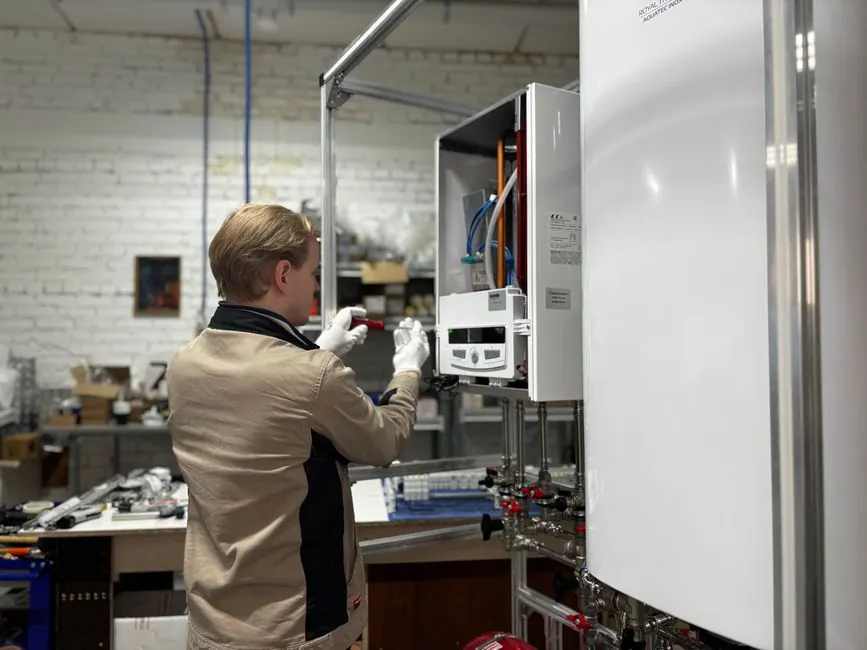
Burner service
Burners cleaned, gas pressure set to spec, ignition tested, and flue inspected for soot or blockage.
A boiler tune-up includes the full multi-point inspection, burner cleaning, ignition and control testing, safety device verification, water-side checks, combustion analysis with documented readings, and a written report. It does not include parts replacement (quoted separately if needed), major repairs, or system modifications.
Burners cleaned, gas pressure set to spec, ignition tested, and flue inspected for soot or blockage.
Thermostats, zone valves, circulators, pressuretrol/aquastat, and all safety controls cycled and verified.
Relief valve, low-water cutoff, and limit controls tested - the devices that prevent dangerous failures.
System pressure, expansion tank charge, water level, and radiator bleeding checked and corrected.
Measured CO, oxygen, and stack temperature before and after, with the numbers left in writing.
Boiler Maintenance & Tune-Ups in Newark is the annual professional servicing that keeps a heating boiler safe, efficient, and reliable. A tune-up covers burner cleaning and adjustment, ignition system testing, control and safety-device verification, water level and pressure checks, venting inspection, and combustion analysis with documented readings. It is preventive care: finding the weak igniter, corroded sensor, or tired pump in October instead of discovering it at 2 AM in January.
Newark's heating season runs roughly November through March, with January overnight lows regularly in the teens. That is five months of near-continuous operation for most boilers - the equivalent of driving a car hard without an oil change. Annual maintenance is also a warranty requirement for most manufacturers: skip the yearly service and a future warranty claim can be denied. For the city's many 20-40 year old boilers, the yearly visit is even more important, since aging controls and gaskets need monitoring, not just cleaning.
Here is what happens during a boiler tune-up visit, start to finish.
Schedule
Call or book online — a real human picks up and confirms a 2-hour arrival window.
Diagnose
Licensed tech inspects on-site, then walks you through the cause and your options.
Fix
The job is completed to code and done right the first time — no shortcuts, no surprises.
Guarantee
Every job backed by a written workmanship warranty — and we stand behind it.
Combustion analyzer
Documents burner performance with measured CO, oxygen, and efficiency readings.
Digital manometer
Checks gas pressure and draft against manufacturer specifications.
Multimeter
Tests igniters, sensors, zone valves, and safety switches electrically.
Inspection mirror and brushes
Reaches into burner assemblies and flue passages for cleaning and visual checks.
Combustion analysis
Oxygen, carbon monoxide, and stack temperature are measured before and after servicing. The numbers prove the tune-up worked.
Control cycling
Each control is operated through its full range and verified against its setpoint, not just glanced at.
Steam-specific procedure
Steam systems are serviced with slow fill rates, proper skimming, and pressuretrol verification unique to steam.
01
What we do: A full tune-up: burner cleaning, ignition testing, control cycling, and combustion analysis. Two worn parts flagged and replaced proactively.
→ Clean burners, verified safeties, documented readings, and a winter with zero breakdowns.
02
What we do: Each unit gets the full checklist with written reports. The documentation satisfies insurance and keeps tenants safe.
→ Efficiency restored, CO at zero, and the boiler cleared for continued service with a monitoring plan.
03
What we do: Standard tune-up plus attention to the items their symptom history suggested. Small fixes now, no surprises later.
→ The tune-up found a weeping relief valve and a tired circulator - both fixed before they could fail in January.
Boiler maintenance in Newark follows the heating calendar. September and October are tune-up season: technicians work through backlogs of annual servicing before the first cold snap, and homeowners who book early get flexible scheduling. By December, the calls shift to breakdowns - mostly on unserviced systems. Newark's older housing stock means many tune-ups happen on 20-30 year old boilers in the Ironbound, Vailsburg, and Weequahic, where the checklist emphasizes safety controls and venting condition. Newer condensing units in renovated Downtown Newark buildings need their condensate traps and heat exchangers serviced to different specs. Across Essex County - ZIP codes 07103, 07102, 07105, and beyond - the rhythm is the same: service in fall, reliable heat all winter.
Ironbound
Older steam and hot-water systems where annual safety-control testing is the most valuable part of the visit.
Weequahic
Many 20+ year old boilers; tune-ups here focus on igniters, pumps, and venting condition.
Downtown Newark
Newer condensing units in renovated buildings needing condensate and heat-exchanger servicing.
Five-month heating season with January lows in the teens
Newark boilers run hard from November through March. Pre-season tune-ups in September and October catch the wear that a long winter would turn into failures.
Aging housing stock with 20-40 year old boilers
Older units need closer attention to controls, gaskets, and venting. Tune-ups on aging boilers focus on the parts most likely to fail next.
These are the failures a yearly tune-up is designed to prevent.
Problem
A cheap igniter becomes an expensive emergency call at midnight in January, plus a cold house until the technician arrives.
Our Fix
Tune-ups test igniter resistance and flame signal strength. Weak igniters are flagged in fall and replaced on your schedule, not winter's.
Problem
Soot insulates the heat exchanger, wastes fuel, and can produce carbon monoxide. It builds silently over years.
Our Fix
Burners are cleaned, the flue inspected, and combustion re-tuned to spec. Efficiency is restored and CO readings verified at zero.
Problem
A stuck relief valve or failed low-water cutoff turns a routine fault into a dangerous one. These are the parts that prevent disasters.
Our Fix
Every tune-up cycles the relief valve, tests the low-water cutoff, and verifies limit controls. Safety devices only work if someone checks them.
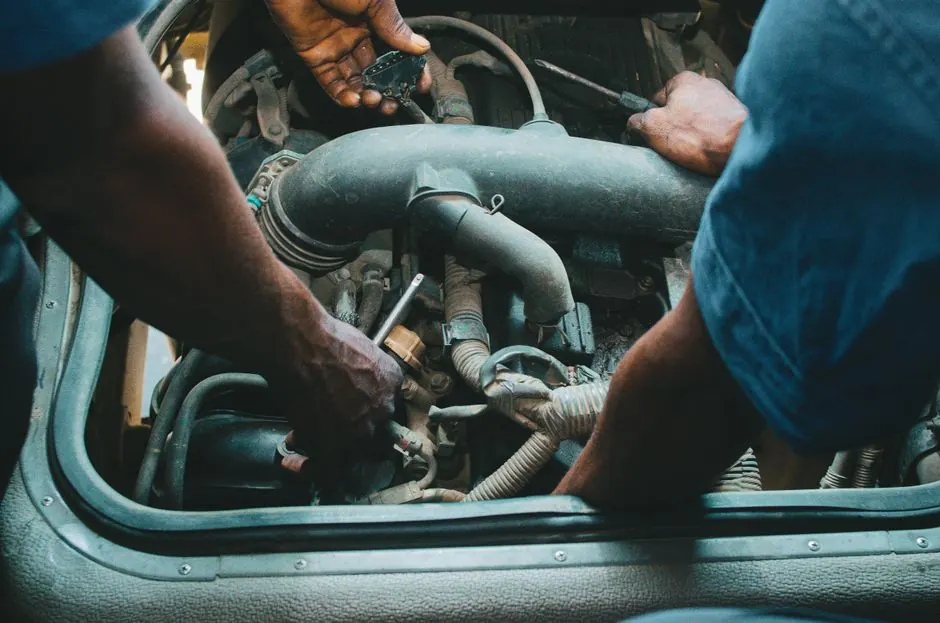
A boiler tune-up is the highest-return hour you can spend on your heating system. It catches the small failures that become winter emergencies, keeps efficiency at rated levels, and documents the safety checks that protect your household.
Fewer winter breakdowns
Most no-heat calls trace to parts a tune-up would have caught: weak igniters, corroded sensors, tired pumps. Boiler maintenance and tune-ups in Newark cost a fraction of one emergency visit and prevent most of them.
Lower fuel waste
Soot on burners, scale in the heat exchanger, and drifted gas pressure all waste fuel. A tuned boiler burns clean at its rated efficiency, which typically saves 5-10% on fuel compared to a neglected unit.
Verified safety
Every tune-up includes carbon monoxide testing, relief valve checks, and low-water cutoff verification. These are the controls that prevent the dangerous failures - and they only work if someone tests them.
Warranty protection
Most manufacturers require annual professional servicing to keep the warranty valid. Skipping tune-ups can void coverage worth thousands. The service record also helps at resale time.
A real boiler tune-up is a technical service, not a quick vacuum and a sticker. Brick City Boiler technicians work through a written checklist covering combustion, controls, water chemistry, and safety devices - the same sequence on every visit, documented with measured readings. The work follows manufacturer service procedures for Weil-McLain, Burnham, Peerless, Utica, and Slant/Fin equipment, and every tune-up ends with numbers you can see: CO levels, gas pressure, system pressure, and stack temperature.

Real answers to the questions we hear most often from local homeowners and property managers.
When a tune-up finds a failed component, emergency repair fixes it fast. Regular tune-ups are what keep those emergencies rare.
View Emergency Boiler RepairTune-ups sometimes reveal a boiler past economic repair. Installation replaces it with a modern efficient unit sized to your home.
View Boiler InstallationWhen the assessment shows the old unit is done, replacement ends the repair cycle with a clean, warrantied installation.
View Boiler ReplacementTune-ups include bleeding radiators, but persistent cold radiators may need dedicated radiator service and balancing.
View Radiator Repair & InstallationThermostat calibration is part of every tune-up. If controls are failing, dedicated control service sorts it out.
View Thermostat & Heating ControlsLeaks found during maintenance need prompt repair. Tracing the source prevents water damage and pressure loss.
View Boiler Leak & Pipe RepairThe fastest way to reach Brick City Boiler is a quick call. Tell us what your boiler is doing — no heat, noise, leaks, or just due for a tune-up — and where in Newark or Essex County you are, and we will take it from there.
You call
Tell us what the boiler is doing and where you are. We will ask a few quick questions.
We diagnose
A technician finds the real problem — tested, not guessed.
You get it in writing
Clear written quote before any work starts. No surprises, ever.
Phone
(973) 275-8278Address
Newark, New Jersey
Visit Us
53 Irvine Turner Blvd, Newark, NJ 07103, USA
(973) 275-8278